English





















































How Remote Work Is Changing Business Addresses
-
Admin_Virtual / 4 years
- June 9, 2022
- 0
- 4 min read


The rise of remote work has transformed the way businesses operate, forcing companies to rethink traditional office setups. One of the most notable changes is the shift in how businesses manage their addresses. No longer confined to physical offices, modern companies are increasingly relying on virtual addresses and flexible mail management solutions. This shift has significant implications for privacy, professionalism, compliance, and operational efficiency.
The Decline of Traditional Office Addresses
For decades, a business address was synonymous with a physical office location. It served as a hub for employees, meetings, and client interactions. However, with remote work becoming the norm, many companies have reduced or eliminated their physical office spaces. This has led to several challenges:
-
High Overhead Costs: Maintaining a physical office involves rent, utilities, and maintenance. Remote work reduces or removes these costs.
-
Location Irrelevance: Teams can work from anywhere, making a central office less critical for daily operations.
-
Privacy Concerns: Employees working from home may not want their personal address listed publicly as the business location.
The result is a growing reliance on virtual addresses and flexible office solutions that provide a professional presence without the need for a physical space.
Rise of Virtual Addresses
A virtual business address provides companies with a legitimate street address that can be used for official purposes, including:
-
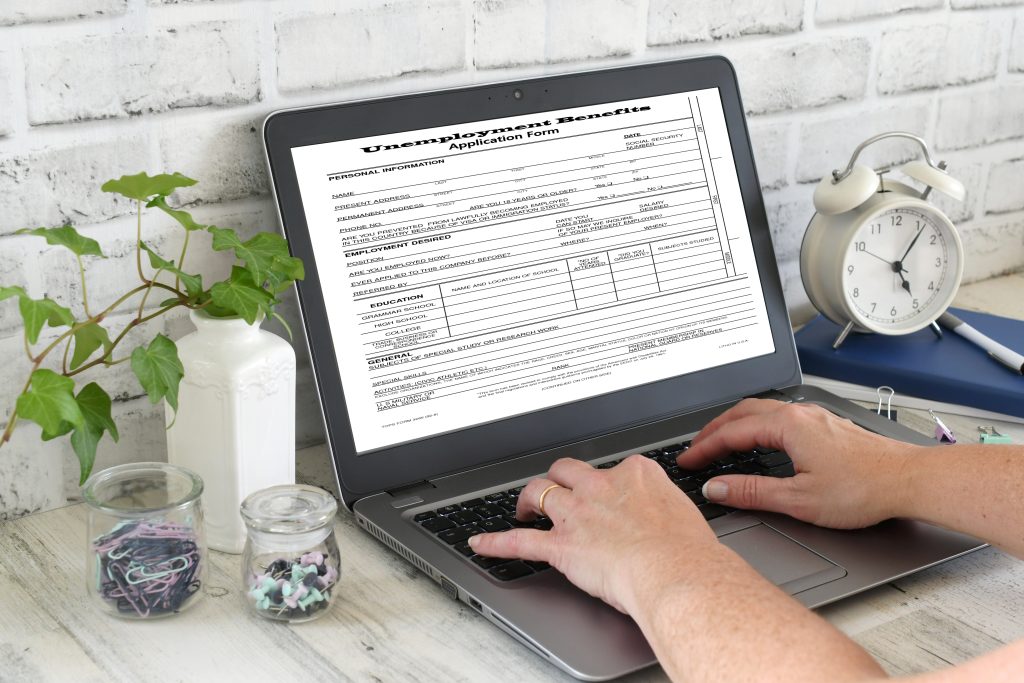
Business registration and licensing
-
Banking and financial accounts
-
Tax filings
-
Client communications and marketing materials
Virtual addresses allow businesses to maintain a professional image while operating remotely. They also protect the privacy of employees and business owners by keeping personal addresses off public records.
Changing Expectations from Clients and Partners
With remote work, client expectations around business addresses have shifted as well. Clients no longer expect face-to-face interactions at a central office but still value professionalism. Using a virtual address:
-
Conveys legitimacy and stability
-
Provides a recognized location for formal correspondence
-
Enhances credibility on websites, proposals, and contracts
Businesses that fail to adopt professional addresses risk appearing less established, even if their services are top-tier.
Implications for Compliance and Legal Requirements
A business address is not just about appearances; it is often a legal requirement. Government agencies, banks, and regulatory authorities require an official address for registration, tax reporting, and licensing. Remote businesses must ensure that their chosen virtual address:
-
Complies with local and national regulations
-
Is accepted for banking and government filings
-
Can securely receive official correspondence
Failure to meet compliance standards can lead to legal penalties, rejected applications, or operational delays.
Enhanced Flexibility and Cost Efficiency
Remote work and virtual addresses go hand in hand to provide flexibility and cost efficiency. Key advantages include:
-
Lower Costs: Businesses save on rent, utilities, and office maintenance.
-
Scalability: Virtual addresses can be added or upgraded as the company grows.
-
Global Presence: Companies can maintain addresses in multiple cities or countries, improving reach without physical expansion.
This flexibility allows businesses to focus resources on growth rather than infrastructure.
Integration With Digital Mail Services
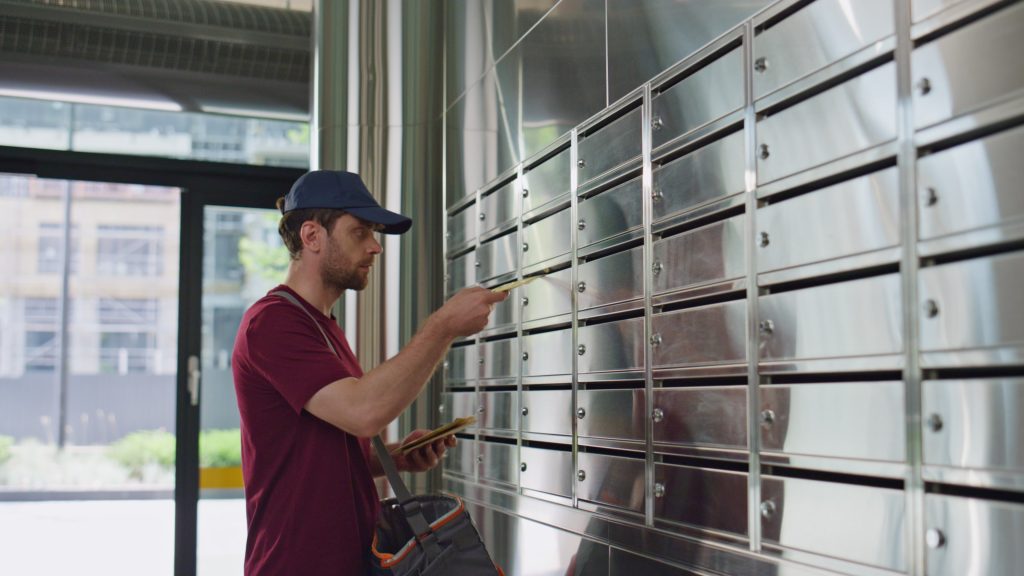
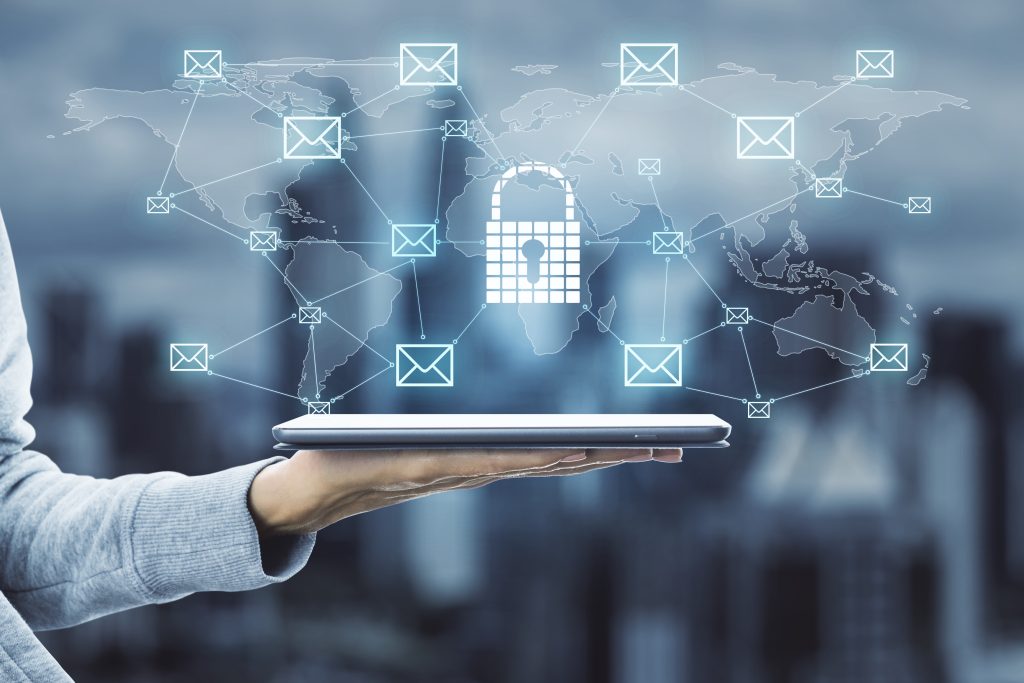
The evolution of business addresses has also spurred innovation in digital mail management. Virtual mailboxes allow remote businesses to:
-
Receive and scan mail online
-
Forward important documents to any location
-
Store or securely dispose of unnecessary mail
By integrating a virtual address with digital mail services, companies can manage correspondence efficiently from anywhere in the world.
Future Outlook
The trend toward remote work is unlikely to reverse. As a result, businesses will increasingly adopt flexible and professional virtual addresses. Future developments may include:
-
AI-driven mail sorting and prioritization
-
Integration of virtual addresses with cloud-based business workflows
-
Wider acceptance of virtual addresses by banks and government institutions
This shift represents not only an operational evolution but also a strategic opportunity for businesses to optimize costs, enhance privacy, and maintain a professional image.
Conclusion
Remote work is fundamentally changing the way businesses view and use their addresses. Physical office spaces are no longer mandatory, and virtual addresses provide a practical, cost-effective, and professional alternative. By adopting virtual addresses, businesses can meet compliance requirements, enhance credibility, protect privacy, and streamline operations.
In 2026 and beyond, embracing these changes will be essential for businesses seeking to remain competitive in a digital-first, remote-first world. Virtual addresses are no longer just a convenience—they are a strategic necessity for modern business operations.