English


























































Mistakes to Avoid When Using a Virtual Address
-
Admin_Virtual / 4 years
- June 9, 2022
- 0
- 4 min read


A virtual address offers flexibility, privacy, and a professional presence for businesses that operate remotely or without a physical office. It is widely used by startups, freelancers, consultants, and growing companies. However, using a virtual address incorrectly can lead to compliance issues, operational delays, or credibility problems. Understanding common mistakes and how to avoid them will help businesses use virtual addresses effectively and safely.
Using the Virtual Address Without Checking Legal Acceptance
One of the most common mistakes is assuming that all virtual addresses are accepted everywhere. Different authorities, banks, and licensing bodies have specific requirements for business addresses. Some may require proof of a physical location or restrict the use of virtual addresses for certain registrations.
Before using a virtual address, verify:
-
Acceptance for business registration
-
Eligibility for tax and government filings
-
Approval by banks and financial institutions
Failing to check these requirements can result in rejected applications or delays.
Mixing Personal and Business Addresses
Another major mistake is using both personal and virtual addresses inconsistently. For example, registering a business with a virtual address while using a home address for banking or licensing can raise red flags during verification processes.
To avoid confusion and compliance issues:
-
Use the virtual address consistently across all official records
-
Update existing registrations to reflect one verified address
-
Avoid listing personal addresses on public-facing platforms
Consistency improves credibility and simplifies administration.
Ignoring Mail Notifications
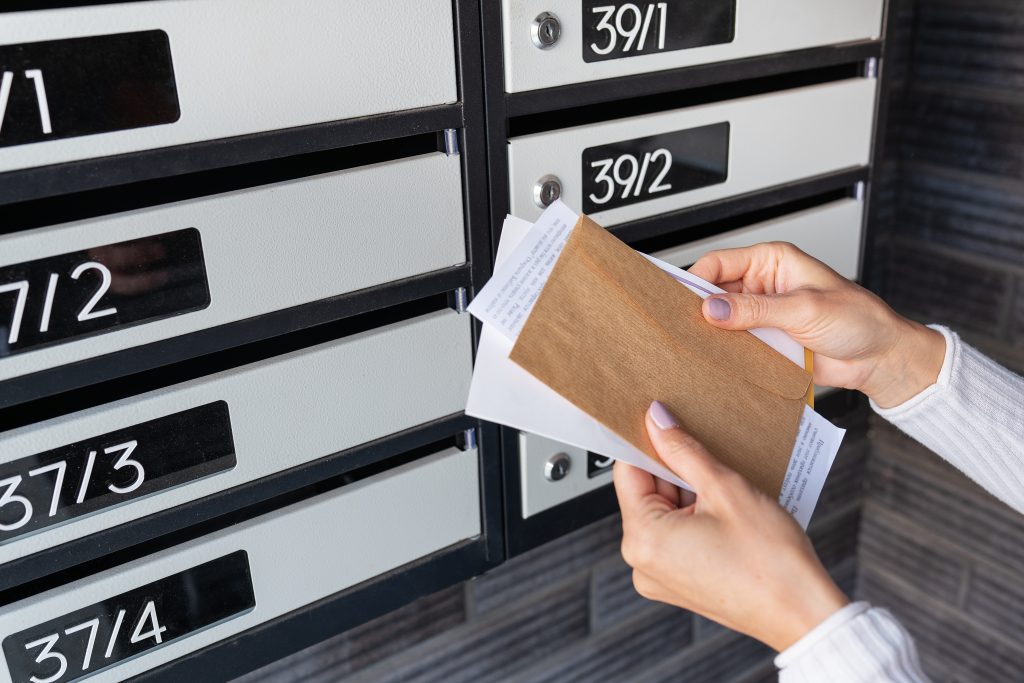
A virtual address often includes mail handling or virtual mailbox services. Ignoring mail notifications or failing to check your mailbox regularly can lead to missed deadlines, unpaid invoices, or overlooked legal notices.
Businesses should:
-
Review mail dashboards frequently
-
Enable email or app notifications
-
Set reminders for important correspondence
Timely attention to mail is essential for smooth operations.
Choosing a Provider Based Only on Price
Cost is important, but selecting a virtual address provider solely because it is cheap can be risky. Low-cost providers may lack proper security, compliance support, or reliable mail handling.
When choosing a provider, consider:
-
Security and privacy standards
-
Professional mail handling processes
-
Customer support quality
-
Proof-of-address documentation availability
A reputable provider reduces long-term risks and protects your business reputation.
Not Understanding What Services Are Included
Some businesses assume that a virtual address automatically includes mail scanning, forwarding, or receptionist services. In reality, these features may be optional or available at additional cost.
Before subscribing:
-
Review the service plan details carefully
-
Understand limits on scanning or forwarding
-
Confirm storage duration and destruction policies
Clear understanding prevents unexpected charges and service gaps.
Failing to Secure Access
Virtual address platforms are digital systems that require proper security measures. Using weak passwords, sharing login details, or failing to enable security features increases the risk of unauthorized access.
Best practices include:
-
Using strong, unique passwords
-
Enabling multi-factor authentication
-
Limiting access to authorized users only
Security oversights can lead to data breaches or mail misuse.
Using the Address for Unauthorized Activities
Some businesses mistakenly use virtual addresses for activities not permitted by the provider or local regulations, such as listing it as a physical storefront or conducting walk-in operations without approval.
Always ensure:
-
Your business activity complies with provider terms
-
The address is used strictly for permitted purposes
-
Any physical access requirements are clarified in advance
Misuse can result in service suspension or legal complications.
Neglecting Record Keeping
Failing to retain records related to your virtual address can create problems during audits or compliance checks. Businesses should keep:
-
Service agreements
-
Proof-of-address documents
-
Mail handling logs
Proper documentation supports regulatory compliance and dispute resolution.
Not Planning for Business Growth
A virtual address should support future growth. Choosing a plan that cannot scale may result in frequent changes, disruptions, or additional costs later.
Consider:
-
Upgrading options
-
Multi-user access
-
Additional locations if expansion is planned
Planning ahead ensures long-term efficiency.
Conclusion
A virtual address is a powerful tool when used correctly, but common mistakes can undermine its benefits. By verifying legal acceptance, maintaining consistency, choosing a reputable provider, securing access, and monitoring mail regularly, businesses can avoid unnecessary risks.
When managed properly, a virtual address enhances privacy, professionalism, and operational efficiency. Avoiding these mistakes ensures your business remains compliant, credible, and well-organized in a remote-first business environment.