English

















































Protecting Sensitive Business Mail
-
Admin_Virtual / 4 years
- June 14, 2022
- 0
- 4 min read

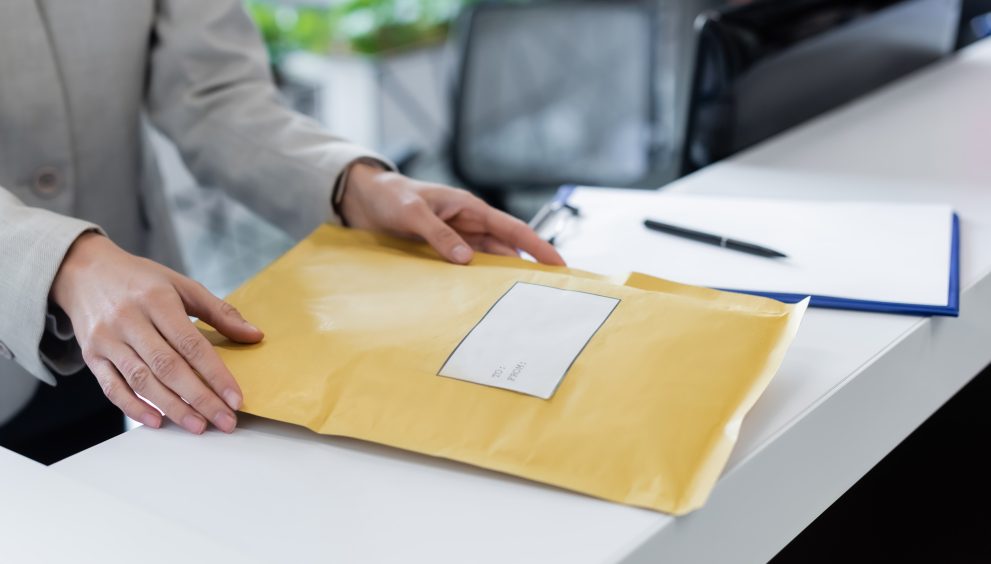
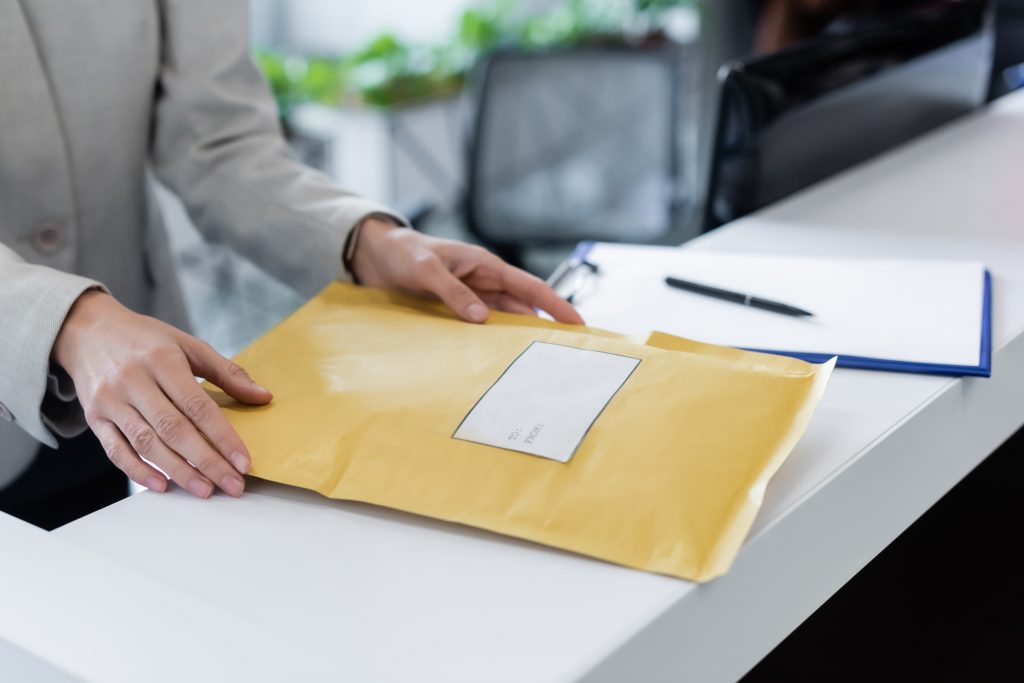
In any business, sensitive mail such as contracts, invoices, legal documents, or financial statements is a critical part of operations. Mismanagement or unauthorized access to such mail can result in financial loss, reputational damage, or legal consequences. As more businesses adopt remote work and digital solutions, protecting sensitive business mail has become a top priority. This article explores the best practices for safeguarding business mail and how virtual mail services can play a crucial role.
Why Protecting Business Mail Is Important
Business mail often contains confidential information, including:
-
Client contracts and personal information
-
Financial statements and tax documents
-
Intellectual property and trade secrets
-
Legal correspondence
If sensitive mail falls into the wrong hands, businesses can face:
-
Identity theft or fraud
-
Breaches of client confidentiality
-
Legal liabilities or regulatory penalties
-
Damage to business reputation
For small businesses, startups, and remote teams, even minor mishandling of mail can have significant consequences. Therefore, implementing robust mail protection measures is essential.
Risks to Sensitive Business Mail
Sensitive business mail can be compromised through several channels:
-
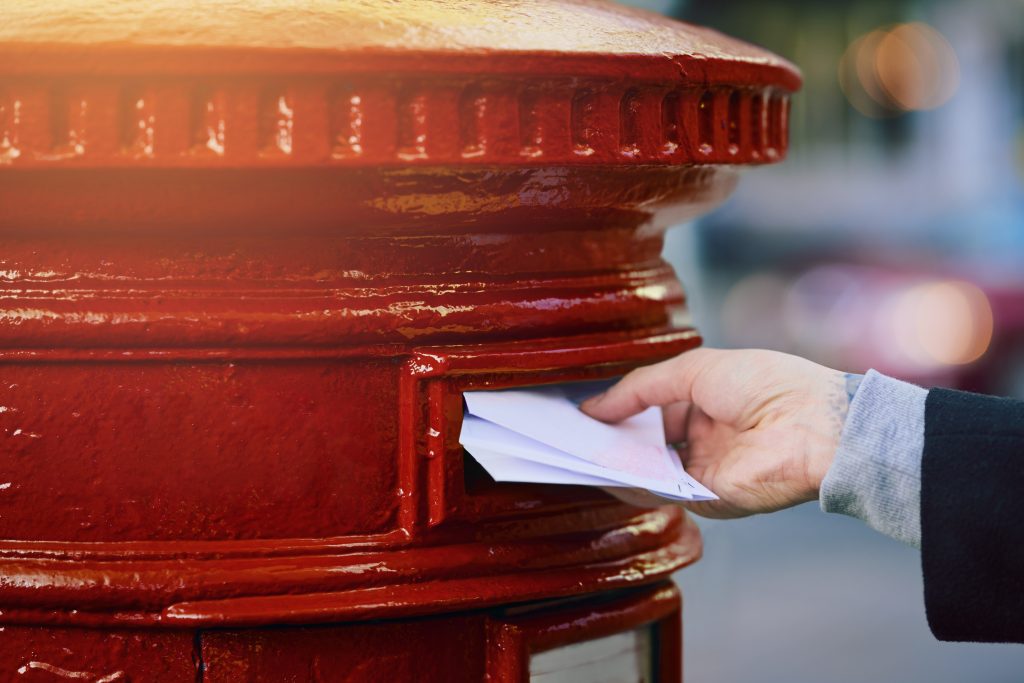
Physical Theft: Mail delivered to a home or unsecure office can be intercepted or stolen.
-
Improper Handling: Staff errors or inadequate storage systems can result in lost or misplaced mail.
-
Digital Vulnerabilities: Scanning, forwarding, or storing mail digitally without proper encryption can expose sensitive information.
-
Third-Party Breaches: Relying on unreliable mail handling or courier services can increase the risk of unauthorized access.
Recognizing these risks allows businesses to proactively protect their sensitive correspondence.
Strategies for Protecting Business Mail
1. Use a Secure Business Address
Instead of using a home or personal address, businesses should use a secure, professional address. A virtual office or commercial mailbox provides a reliable solution. Benefits include:
-
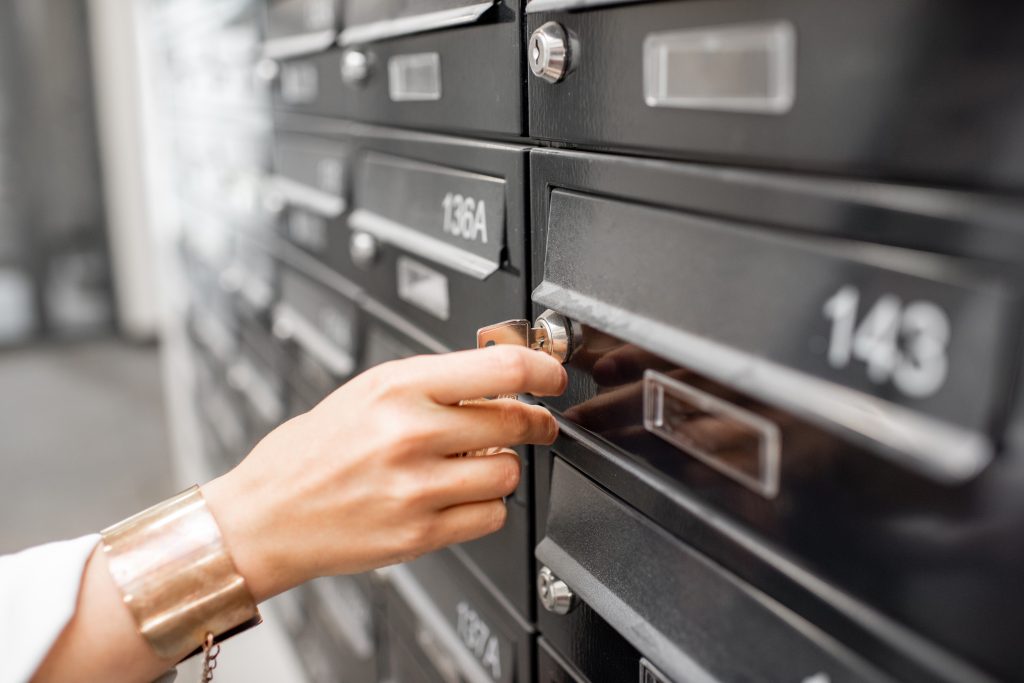
Mail is received in a monitored, secure location
-
Professional handling and logging of all mail items
-
Separation between personal and business correspondence
2. Implement Access Control
Control who can access sensitive mail. Only authorized personnel should handle confidential documents. Measures include:
-
Locked mailrooms or storage facilities
-
Limited access to digital mail accounts
-
Multi-factor authentication for online platforms
3. Digital Mail Management
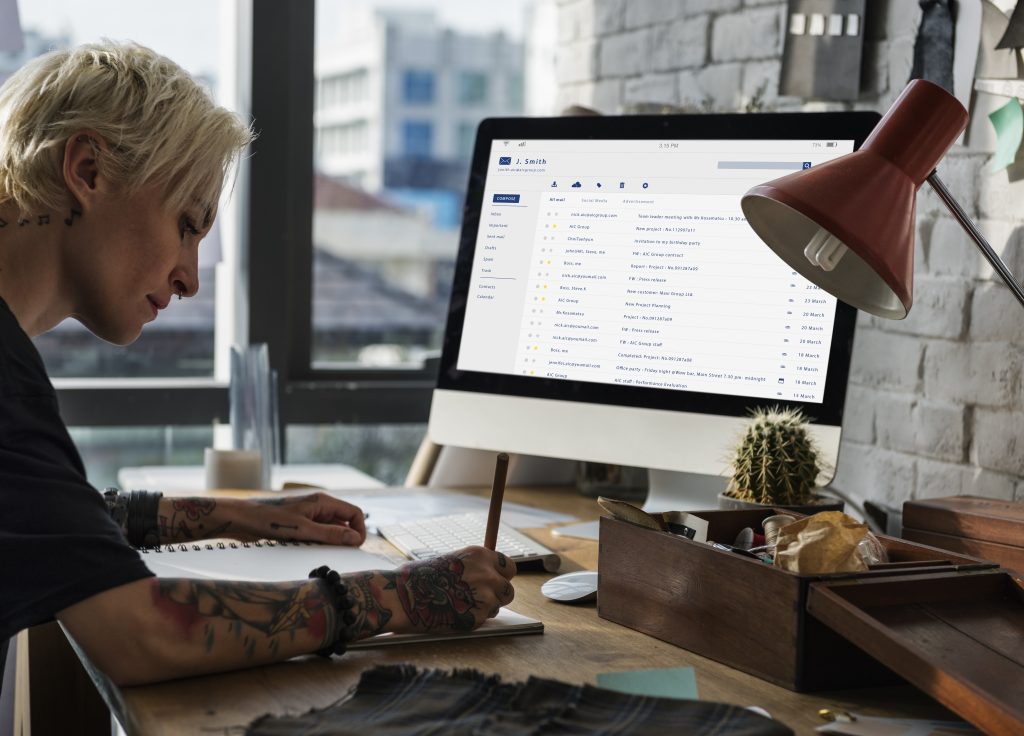
Many businesses now use virtual mail services that digitize incoming mail. Digital management ensures:
-
Secure scanning and encrypted storage
-
Ability to forward mail safely to remote employees
-
Easy tracking of mail history and activities
4. Proper Mail Forwarding
If mail needs to be forwarded to another location, ensure it is sent through reliable carriers. Avoid leaving mail unattended during transit and track packages to confirm delivery.
5. Regular Monitoring and Auditing
Regularly monitor mail activity and audit logs, especially for digital mail platforms. This helps detect anomalies or unauthorized access quickly, reducing potential risks.
6. Employee Training
Train staff on the importance of mail security. Employees should know how to handle sensitive mail, recognize phishing attempts, and follow established protocols for digital and physical mail.
The Role of Virtual Mail Services
Virtual mailbox and office services provide an extra layer of security for sensitive business mail:
-
Secure Storage: Mail is stored in controlled facilities until scanned, forwarded, or picked up.
-
Digital Encryption: Scanned documents are encrypted, protecting information during transmission.
-
Professional Handling: Experienced staff manage mail according to strict protocols.
-
Access Control: Only authorized users can view or request mail, reducing human error and unauthorized access.
By leveraging virtual mail services, businesses can safely manage sensitive correspondence without compromising convenience or accessibility.
Conclusion
Protecting sensitive business mail is essential for maintaining client trust, legal compliance, and operational efficiency. Businesses must address both physical and digital risks by using secure addresses, implementing access controls, and managing mail properly.
Virtual mail services are an excellent solution for safeguarding sensitive documents, particularly for remote teams, freelancers, and small businesses. With secure handling, encryption, and controlled access, these services allow businesses to maintain privacy, protect valuable information, and operate confidently in an increasingly remote and digital business environment.