English









































Keep Your Personal Address Off Public Records
-
Admin_Virtual / 4 years
- June 14, 2022
- 0
- 4 min read


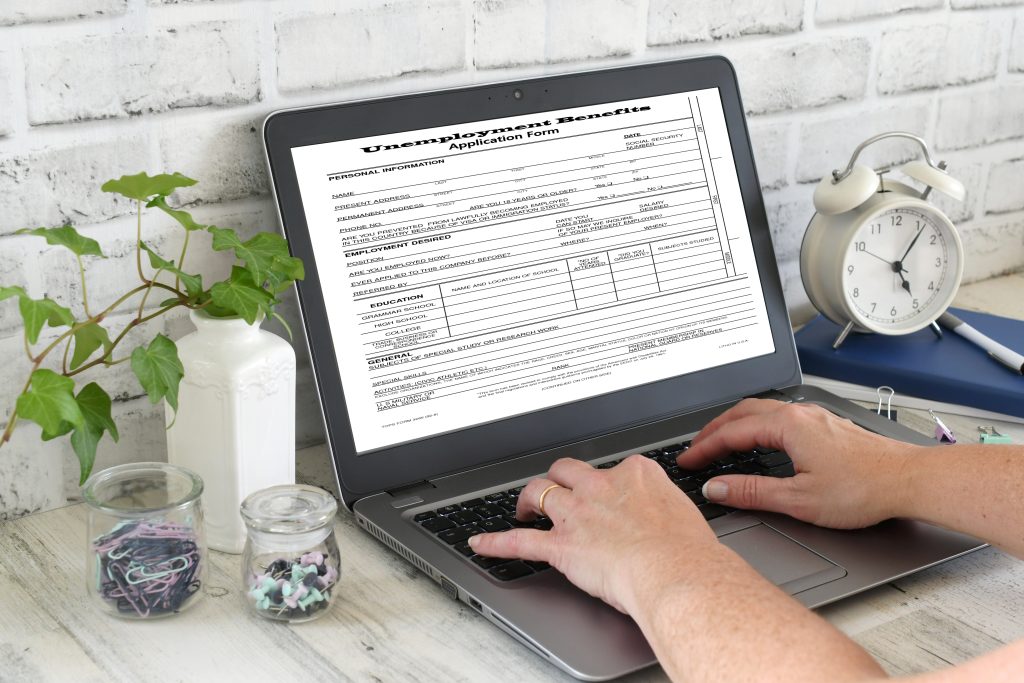
For business owners, freelancers, and remote professionals, using a personal home address for business purposes can lead to privacy and security risks. Public records, such as business registrations, licenses, and government filings, often require an official address. If your home address is listed, it becomes accessible to the public, including clients, vendors, and even strangers. Fortunately, solutions like virtual offices allow businesses to maintain professionalism while keeping their personal address confidential.
This article explains why it is essential to keep your personal address off public records and how a virtual office can help.
Why Using Your Home Address Can Be Risky
Listing your home address on public documents exposes you to several potential issues:
-
Privacy Invasion: Your personal information becomes accessible to anyone who searches public records, including your home location.
-
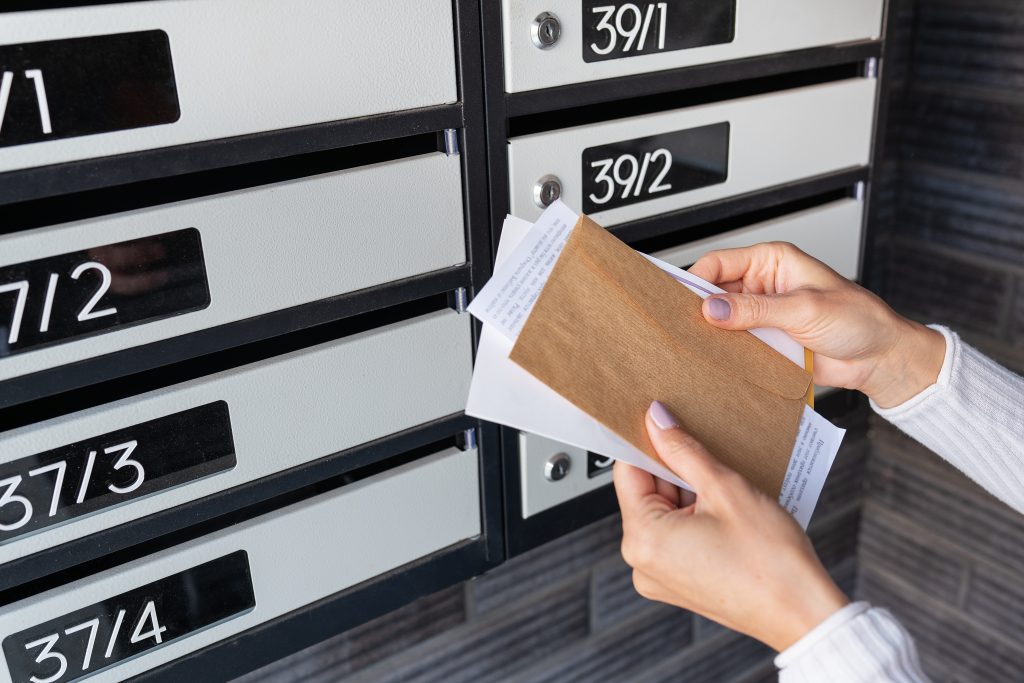
Unsolicited Mail and Deliveries: Businesses using home addresses often receive excessive promotional mail or deliveries that can become inconvenient.
-
Security Risks: Publicly accessible home addresses can make individuals vulnerable to identity theft, stalking, or harassment.
-
Professional Appearance: Using a home address may appear unprofessional to clients, investors, and partners, potentially affecting credibility.
By keeping your home address private, you protect both your personal life and your professional image.
How Virtual Offices Protect Your Home Address
A virtual office provides a professional business address that can be used for public records, business registrations, and correspondence. This keeps your personal address confidential while maintaining a legitimate business presence.
Key advantages include:
-
Official Business Address: Use the virtual office address for government filings, tax forms, and licenses.
-
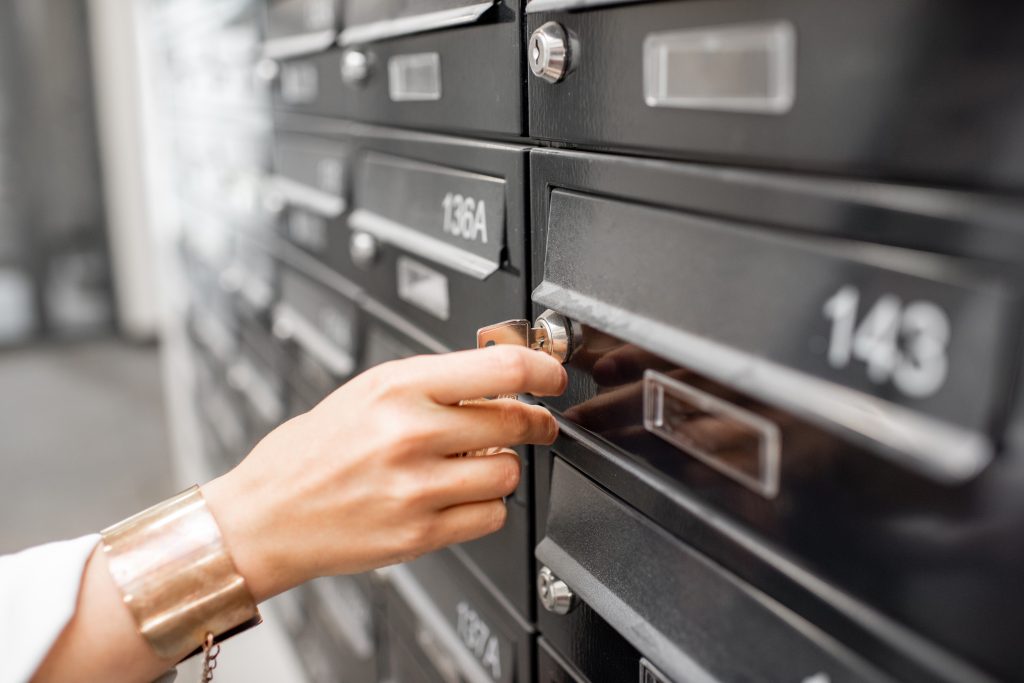
Mail Handling: Mail and packages are received at the virtual office, scanned, or forwarded digitally, so nothing goes to your home.
-
Professional Image: A prestigious business address enhances credibility with clients and partners.
-
Security: Your personal location remains private, reducing exposure to potential threats.
Legal and Compliance Benefits
Certain business activities require a registered business address. Some states or countries may not allow a P.O. Box for official filings. Using a virtual office ensures that your business complies with regulations while keeping your home private.
Benefits include:
-
LLC and Company Registrations: Many businesses use virtual addresses to register without revealing personal addresses.
-
Bank Accounts and Licenses: Financial institutions and regulatory authorities often accept virtual office addresses as legal business addresses.
-
Tax Filings: Virtual addresses allow accurate reporting without exposing personal residence.
Protecting Employees and Family
Keeping your home address off public records isn’t just about the business—it also protects your household. Family members, roommates, or employees working from home remain shielded from unnecessary exposure. By using a virtual office, business-related communications and deliveries are routed to the professional address, reducing the risk of intrusion or disruption at home.
Maintaining Professionalism
A virtual office address gives your business a professional front while keeping personal details private. Listing a commercial address on business cards, websites, and email communications creates a trustworthy image for clients and partners. This can be especially important for startups, freelancers, and small businesses that rely on credibility to grow.
Practical Steps to Keep Your Home Address Private
-
Use a Virtual Office: Replace your home address with a virtual office address for all public records, registrations, and business communications.
-
Update Business Filings: Ensure that your company registration, licenses, and government filings reflect the virtual office address instead of your home.
-
Separate Mail and Deliveries: Have all business mail delivered to the virtual office. Opt for digital scanning or forwarding services to stay informed.
-
Secure Online Presence: Avoid listing your personal address on your website, social media, or marketing materials. Use the virtual office address consistently.
-
Review Contracts and Legal Documents: Ensure that personal addresses are not inadvertently included in agreements, invoices, or legal filings.
Conclusion
Keeping your personal address off public records is essential for privacy, security, and professionalism. Virtual offices provide a simple and effective solution, allowing businesses to use a legitimate, professional address while keeping home addresses confidential.
By protecting personal information, maintaining compliance with regulations, and enhancing credibility, virtual offices help businesses operate efficiently and safely in today’s competitive environment. Whether you are a freelancer, entrepreneur, or small business owner, a virtual office ensures that your private life remains private while supporting professional