English






















































Why Freelancers Need a Virtual Business Address
-
Admin_Virtual / 4 years
- June 20, 2022
- 0
- 4 min read


In 2026, freelancing has become one of the fastest-growing ways to work, with millions of professionals offering services globally from home or remote locations. While freelancing provides flexibility and independence, it also presents challenges, especially when it comes to professionalism, privacy, and credibility. One solution that addresses all these challenges is a virtual business address. For freelancers, having a professional address is no longer optional—it’s a strategic tool for growth. In this blog, we’ll explore why freelancers need a virtual business address, its benefits, and how it can transform their business operations.
1. Maintaining Professionalism
Freelancers often work from home, coffee shops, or coworking spaces, which may not convey a professional image to clients or partners. Using a personal home address on invoices, proposals, or business registrations can appear informal or untrustworthy.
A virtual business address provides:
-
A professional street address in a recognized business district
-
A credible location for contracts, invoices, and client communications
-
An appearance of a stable, established business
This professional image can help freelancers win clients and secure higher-paying projects.
2. Protecting Privacy and Security
Many freelancers work from home, making their personal address publicly visible if used for business purposes. This can lead to:
-
Unwanted visitors or deliveries
-
Identity theft or fraud risks
-
Privacy concerns for family members
A virtual business address allows freelancers to keep their home address private, while still maintaining a legally recognized and professional business location. It acts as a buffer between personal and professional life, improving security and peace of mind.
3. Mail Handling and Convenience
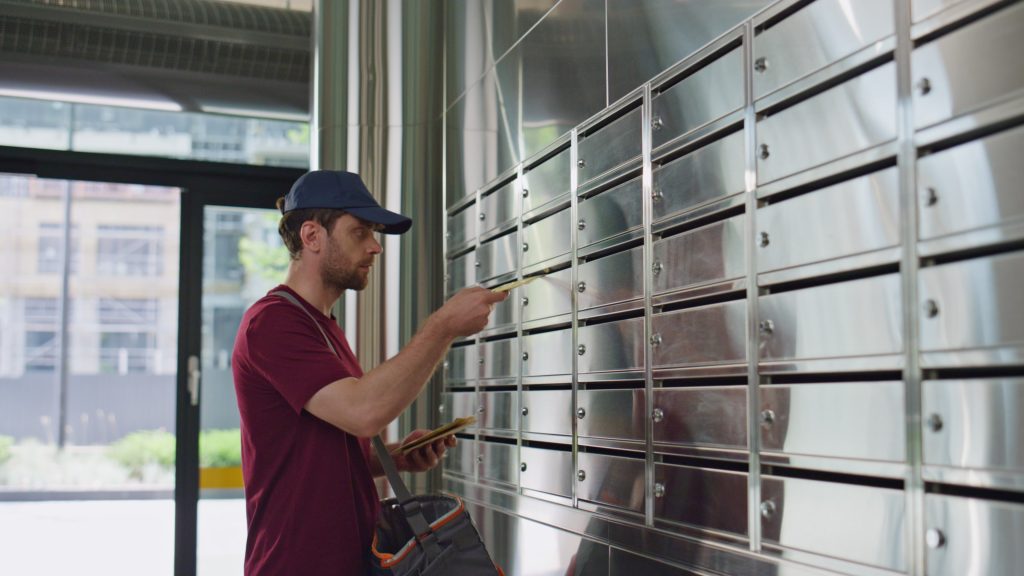
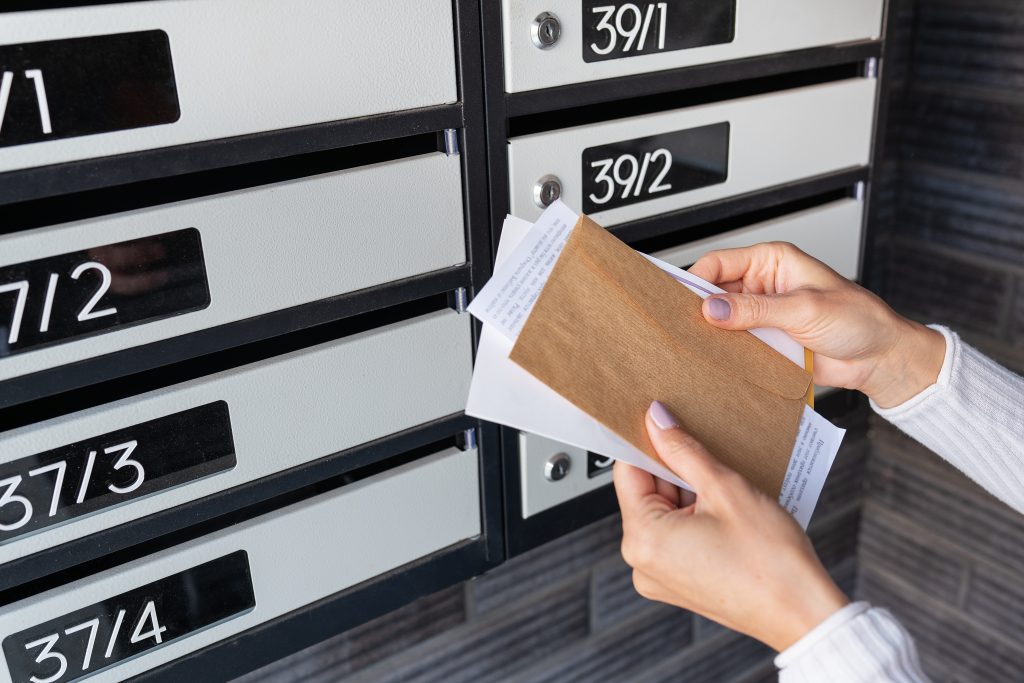
Freelancers still receive business correspondence, contracts, invoices, and packages. Managing this mail at home can be time-consuming and disorganized. Virtual business addresses often come with:
-
Mail scanning and digital notifications for quick access
-
Mail forwarding to any location
-
Secure storage for sensitive documents
This ensures freelancers never miss important correspondence and can manage their mail efficiently, even while traveling or working remotely.
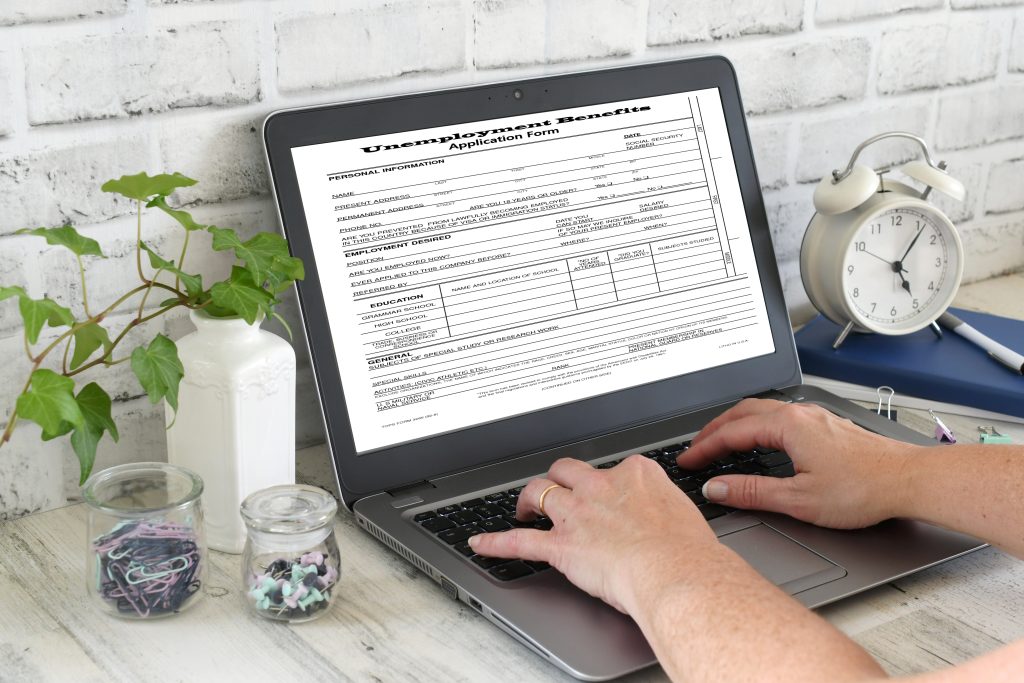
4. Meeting Legal and Tax Requirements
Even freelancers need to comply with business registration, tax filings, and government records. Using a virtual business address:
-
Allows freelancers to register their business legally without using a home address
-
Provides a legitimate address for tax authorities and government correspondence
-
Helps maintain accurate records for audits or legal notices
This ensures freelancers operate professionally and remain compliant with regulations, avoiding fines or penalties.
5. Building Credibility With Clients and Partners
Clients often look for reliability and professionalism when hiring freelancers. A virtual business address can:
-
Increase client confidence in the freelancer’s legitimacy
-
Signal that the freelancer is organized and committed to their business
-
Create opportunities for higher-value contracts and collaborations
A professional address can make a significant difference in client perception, especially for corporate clients or international contracts.
6. Flexibility and Growth Opportunities
A virtual business address provides freelancers with the freedom to work from anywhere while maintaining a fixed business presence. This flexibility allows:
-
Expansion into new markets without establishing a physical office
-
Access to a professional business district address, even for a home-based freelancer
-
Opportunities to scale services or hire remote teams under the same business address
It’s a cost-effective solution that supports both short-term convenience and long-term growth.
7. Optional Features for Freelancers
Many virtual office providers offer additional benefits that can enhance a freelancer’s business operations:
-
Meeting room access for client presentations
-
Phone reception or call forwarding services
-
Professional business support for contracts, mail handling, and invoicing
These services can make a freelancer appear more like a full-fledged business, enhancing credibility and efficiency.
Conclusion
For freelancers in 2026, a virtual business address is more than just a mailing location—it’s a strategic business tool. It provides professionalism, privacy, compliance, and operational convenience. Freelancers can use it to project credibility, maintain security, manage correspondence efficiently, and meet legal requirements, all while enjoying the flexibility of remote work.
Investing in a virtual business address is an affordable and practical way to elevate a freelance business, helping freelancers compete with established companies, win clients, and grow their operations. In today’s competitive freelance landscape, a professional address is no longer optional—it’s essential.