English



























































Things to Know Before Using a Virtual Address
-
Admin_Virtual / 4 years
- June 21, 2022
- 0
- 4 min read


Virtual offices and virtual addresses have become increasingly popular in 2026, especially for startups, freelancers, and remote businesses. They offer a professional business address, mail handling services, and flexibility without the high cost of a physical office. However, before signing up for a virtual address, there are important considerations to keep in mind. Understanding these factors can help you make the most of the service while avoiding potential issues. In this blog, we’ll outline the key things to know before using a virtual address.
1. Understand the Purpose of a Virtual Address
A virtual address provides a professional business location without requiring physical occupancy. It is primarily used for:
-
Business registration: Official correspondence, licenses, and legal documents
-
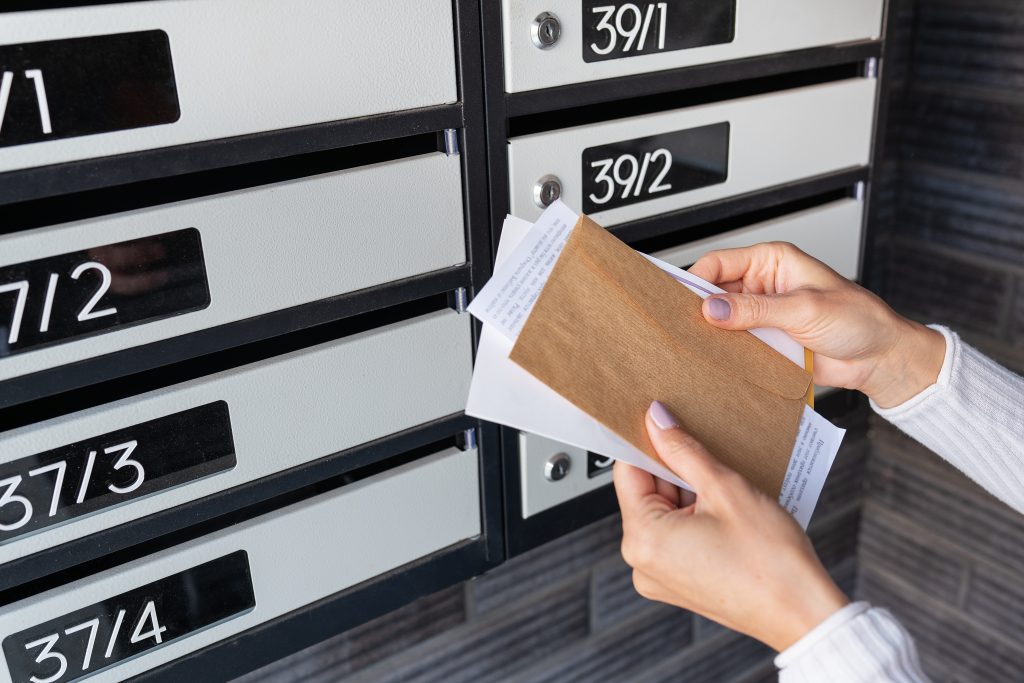
Mail handling: Receiving, scanning, storing, or forwarding letters and packages
-
Professional image: Presenting a credible business presence, often in a prestigious area
It’s important to note that a virtual address is not a substitute for a physical office where daily operations occur. If your business requires customer visits or onsite services, you may need a physical location in addition to your virtual address.
2. Legal Considerations and Compliance
Before using a virtual address, verify whether it is legally accepted for your business type and location. Key points include:
-
Business registration: Most states allow virtual addresses for LLCs, corporations, and small businesses, but rules vary.
-
Registered agent requirements: Some jurisdictions require a registered agent with a physical address for legal correspondence.
-
PO Box restrictions: Virtual addresses typically must be real street addresses; PO boxes are often not accepted for official registration.
Ensuring compliance upfront avoids legal complications and ensures your business correspondence is properly received.
3. Mail Handling and Management
Virtual addresses offer various mail services, so understanding how they work is essential:
-
Mail scanning: Providers can scan envelopes or documents for digital access.
-
Mail forwarding: Physical mail can be sent to your home, office, or another location.
-
Mail storage: Secure storage is available for packages or sensitive documents.
-
Notifications: Many providers send alerts when new mail arrives.
Consider how often you receive mail, the type of correspondence, and which services best fit your workflow.
4. Security and Privacy
A virtual address enhances privacy by keeping your personal home address off public records. However, security and privacy can vary between providers. Things to check include:
-
Secure facilities: Mail should be stored in monitored, controlled-access locations.
-
Data protection: Digital scans and notifications should be encrypted.
-
Shredding and disposal: Ensure sensitive documents are disposed of securely if needed.
Choosing a reputable provider ensures that your mail and personal information remain protected.
5. Costs and Fees
While virtual addresses are cost-effective compared to physical offices, there may be hidden fees:
-
Setup or registration fees
-
Monthly subscription charges
-
Mail scanning or forwarding fees
-
International shipping charges
Review the provider’s pricing carefully and select a plan that aligns with your business needs and budget.
6. Reputation and Location
The location of your virtual address matters for professional credibility. Consider these factors:
-
Prestige: Business addresses in well-known commercial areas convey credibility to clients and partners.
-
Client expectations: A prestigious or professional-looking address can help build trust.
-
Accessibility: Some virtual offices offer meeting rooms or coworking spaces if occasional physical presence is needed.
A strategic address can enhance your business image, even if you operate remotely.
7. Integration With Business Operations
A virtual address is most valuable when it integrates seamlessly with your workflow:
-
Digital access: Make sure scanned mail can be accessed easily online or via mobile apps.
-
Forwarding flexibility: Forward mail promptly to your preferred location.
-
Document organization: Use mail services to categorize and archive correspondence efficiently.
Proper integration reduces administrative overhead and improves operational efficiency for remote teams.
Conclusion
Using a virtual address can be a game-changer for startups, freelancers, and remote businesses, providing a professional presence, secure mail handling, and operational flexibility. However, it’s crucial to understand its purpose, legal requirements, mail handling processes, security measures, fees, and location implications before signing up.
By choosing a reputable provider, verifying compliance, and aligning services with your business needs, a virtual address can help you maintain professionalism, protect privacy, and streamline operations in 2026 and beyond.