English
















































How Mail Scanning Improves Business Efficiency
-
Admin_Virtual / 4 years
- June 21, 2022
- 0
- 4 min read


In today’s fast-paced business world, time and efficiency are critical. Managing physical mail manually—sorting letters, opening packages, and forwarding documents—can be time-consuming, especially for remote teams, freelancers, and growing businesses. Mail scanning, a key feature of virtual mailbox services, transforms how companies handle correspondence by digitizing physical mail and providing secure online access. In this blog, we’ll explore how mail scanning improves business efficiency and why it’s becoming an essential tool for modern organizations in 2026.
What Is Mail Scanning?
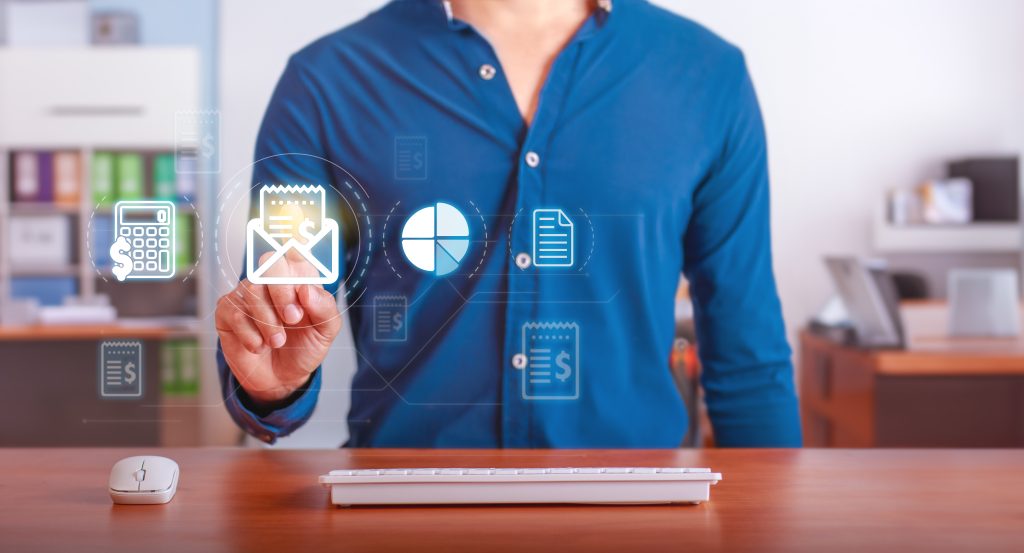
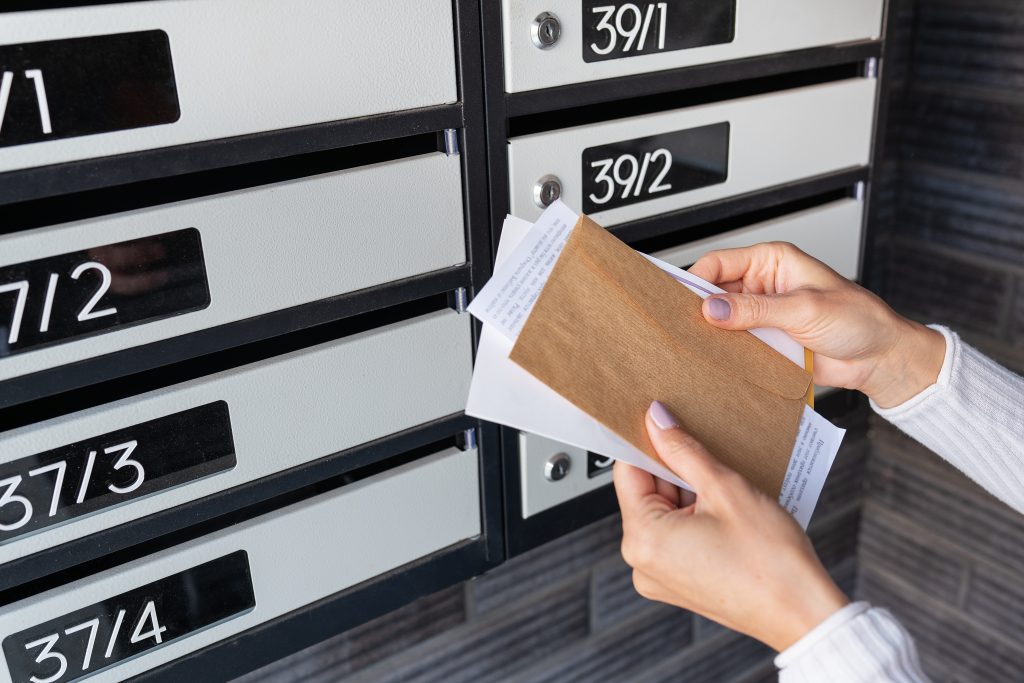
Mail scanning is the process of converting physical mail into digital documents. When mail arrives at a virtual mailbox, the provider opens it (based on your permissions), scans the contents, and uploads high-resolution images to your secure online portal or mobile app. This allows businesses to view, download, forward, or archive mail digitally, eliminating the need to handle physical items manually.
By digitizing mail, businesses gain control over correspondence and can integrate it seamlessly into workflows, making operations faster and more efficient.
1. Faster Access to Important Documents
One of the main ways mail scanning improves efficiency is by providing instant access to documents. Instead of waiting for physical mail to arrive at an office, employees or business owners can:
-
View scanned letters and invoices immediately
-
Access contracts, bills, or client correspondence from anywhere
-
Make timely business decisions without delays
This rapid access ensures that urgent matters are addressed promptly, reducing bottlenecks in business operations.
2. Reduced Administrative Work
Handling physical mail requires staff to sort, open, route, and store correspondence—a process that consumes valuable time. Mail scanning eliminates much of this manual labor by:
-
Logging and scanning mail automatically
-
Notifying recipients of incoming items digitally
-
Allowing recipients to decide what to do with mail online (forward, store, shred)
By reducing administrative overhead, businesses can allocate staff to higher-value tasks, improving productivity across the organization.
3. Secure and Organized Mail Management
Efficiency is not just about speed—it’s also about organization. Mail scanning enhances security and organization by:
-
Keeping physical mail in secure facilities
-
Digitizing mail for easy storage and retrieval
-
Categorizing documents for quick access
-
Protecting sensitive information through encrypted digital portals
This prevents lost or misplaced mail, ensures compliance with regulatory requirements, and allows businesses to operate in a structured, streamlined manner.
4. Cost Savings
Manual mail handling involves hidden costs: office space for storage, administrative staff, courier fees for forwarding, and wasted time. Mail scanning reduces these costs by:
-
Minimizing the need for physical storage
-
Reducing staff time spent on sorting and handling mail
-
Consolidating mail forwarding to save on shipping costs
By turning physical mail into digital assets, businesses can operate leaner while maintaining full control over correspondence.
5. Supports Remote Work and Distributed Teams
In 2026, many businesses operate remotely or with distributed teams. Mail scanning enables these teams to stay connected and efficient without relying on a central office. Employees can:
-
Access mail digitally from any location
-
Share documents instantly with team members or clients
-
Collaborate on important correspondence without physical limitations
This ensures remote teams remain productive, responsive, and aligned, regardless of location.
6. Integrates with Digital Workflows
Mail scanning improves efficiency by allowing businesses to integrate correspondence into existing digital workflows. Scanned documents can be:
-
Uploaded directly to accounting, CRM, or document management systems
-
Used for invoicing, approvals, or client communication
-
Archived digitally for compliance or audit purposes
By digitizing mail, businesses reduce manual entry, streamline processes, and improve overall operational efficiency.
7. Enhances Decision-Making and Responsiveness
With mail scanning, decision-makers have real-time access to all correspondence, enabling faster and more informed decisions. Whether it’s approving invoices, reviewing contracts, or responding to client inquiries, mail scanning ensures that nothing is delayed due to physical mail handling.
This responsiveness gives businesses a competitive advantage, particularly in fast-moving industries.
Conclusion
Mail scanning is a powerful tool that significantly improves business efficiency. By digitizing physical mail, it provides faster access, reduces administrative work, enhances security, and supports remote work and digital workflows. For startups, freelancers, small businesses, and distributed teams, mail scanning ensures that correspondence is managed efficiently, cost-effectively, and professionally.
In 2026, as businesses increasingly embrace remote-first models and digital operations, mail scanning is no longer a luxury—it’s a necessity for maintaining productivity, operational efficiency, and responsiveness in a competitive business environment.
With mail scanning, physical mail is no longer a bottleneck; it becomes a digital asset that supports business growth and success.