

















































From Delivery to Digital: Virtual Mailbox Process

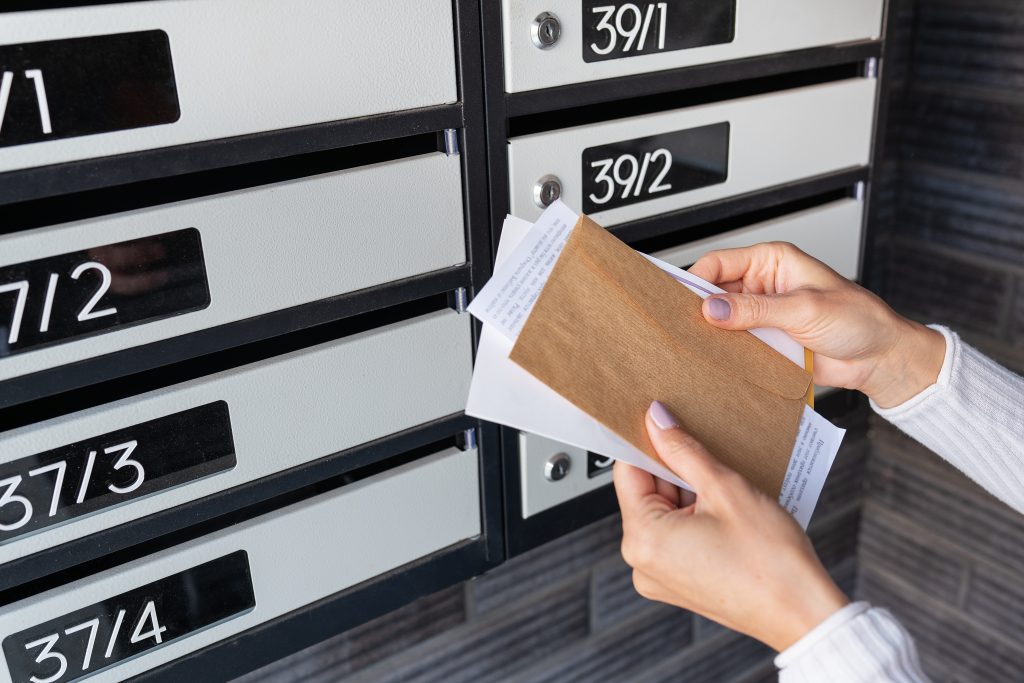
In an increasingly remote and digital-first world, managing physical mail can be a challenge for businesses of all sizes. Traditional mail handling requires employees to visit office mailrooms, sort letters and packages, and manage correspondence manually—a time-consuming and often inefficient process. A virtual mailbox transforms this workflow by converting physical mail into digital formats that can be accessed, managed, and shared from anywhere. In this blog, we’ll explore the virtual mailbox process from delivery to digital and explain how it benefits modern businesses.

Choosing the Right Mail Forwarding Option

For businesses, freelancers, and remote teams, managing physical mail efficiently is essential. Virtual office services provide a professional address and advanced features such as mail forwarding, which ensures that your correspondence reaches you wherever you are. However, choosing the right mail forwarding option is key to maximizing efficiency, reducing costs, and maintaining security. In this blog, we’ll explore the different mail forwarding options available and provide guidance on how to select the one that fits your business needs in 2026.

What Happens When Mail Arrives at a Virtual Mailbox

Lorem Ipsum is simply dummy text of the printing and typesetting industry. Lorem the industry’s standard dummy text ever since the when an unknown printer took a galley of type and scrambled it to make a type spe has been the industry’s standard dummy text

What Is Mail Scanning and Why It Matters

In today’s fast-paced, digital-first business world, managing physical mail efficiently is more important than ever. Traditional mail handling can be time-consuming, prone to delays, and often difficult for remote teams or small businesses. This is where mail scanning comes into play—a key feature of virtual mailbox services that transforms physical correspondence into digital documents. In this blog, we’ll explain what mail scanning is, how it works, and why it matters for businesses in 2026.

Benefits of Digital Mail for Remote Businesses

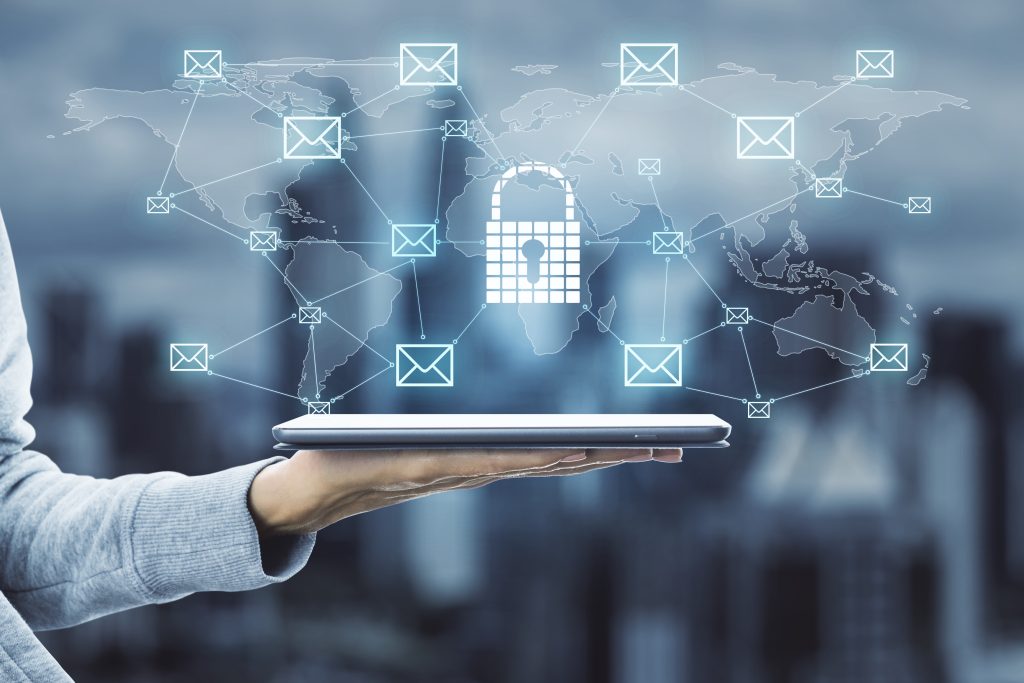
In 2026, the concept of traditional offices is rapidly evolving. Remote work, digital entrepreneurship, and flexible business models are becoming the norm. For businesses operating remotely, managing physical mail efficiently can be a significant challenge. Digital mail, delivered via virtual mailbox services, provides a modern solution by transforming physical correspondence into secure, easily accessible digital formats. In this blog, we’ll explore the benefits of digital mail for remote businesses and why it has become an essential tool in today’s fast-paced business environment.

How Mail Scanning Improves Business Efficiency

In today’s fast-paced business world, time and efficiency are critical. Managing physical mail manually—sorting letters, opening packages, and forwarding documents—can be time-consuming, especially for remote teams, freelancers, and growing businesses. Mail scanning, a key feature of virtual mailbox services, transforms how companies handle correspondence by digitizing physical mail and providing secure online access. In this blog, we’ll explore how mail scanning improves business efficiency and why it’s becoming an essential tool for modern organizations in 2026.

How Mail Forwarding Works in Virtual Mailboxes

For modern businesses, freelancers, and remote teams, managing physical mail efficiently is essential. Traditional mail handling can be slow, cumbersome, and inconvenient, especially for those who operate without a central office. Virtual mailbox services provide a solution by allowing businesses to digitize, organize, and forward mail seamlessly. One of the most important features of these services is mail forwarding, which ensures that physical correspondence reaches the right place at the right time. In this blog, we’ll explore how mail forwarding works in virtual mailboxes and why it is a game-changer for businesses in 2026.

Secure Mail Storage: What You Should Know

In today’s fast-paced business environment, secure management of physical mail has become a critical consideration for companies of all sizes. Whether you’re a startup, a freelancer, or a remote business, handling letters, invoices, contracts, and packages efficiently is essential to maintaining professionalism and operational efficiency. One of the most valuable features of virtual office services is secure mail storage, which allows businesses to store correspondence safely and access it whenever needed. In this blog, we’ll explore what secure mail storage is, why it matters, and what you should know to make the most of this service.

Can You Register a Business Using a Virtual Address?

In 2026, virtual offices and remote work have become mainstream. Many entrepreneurs and small business owners are looking for ways to reduce costs, maintain flexibility, and operate professionally without a physical office. One common question that arises is: “Can you register a business using a virtual address?” The answer is yes, but there are important considerations. In this blog, we’ll explore how virtual addresses work, their legality for business registration, benefits, limitations, and best practices.

Virtual Address for LLC and Company Registration

Starting a business in 2026 often involves careful planning, including choosing the right location for registration. For entrepreneurs, startups, and remote businesses, a virtual address has become an increasingly popular solution. Many business owners wonder if a virtual address is suitable for LLC formation or company registration, and how it can help streamline operations while maintaining professionalism. In this blog, we’ll explore the benefits, legal considerations, and best practices for using a virtual address when registering an LLC or company.