English







































How Virtual Mailboxes Help Reduce Fraud

Fraud is a growing concern for businesses of all sizes. From identity theft to financial scams, unauthorized use of business addresses or mail can have serious consequences. Virtual mailboxes offer a secure and professional solution that not only streamlines mail management but also reduces the risk of fraud. This article explores how virtual mailboxes help protect businesses and their sensitive information from fraudulent activities.
Understanding the Risk of Fraud
Fraud can take many forms in a business context, including:
-
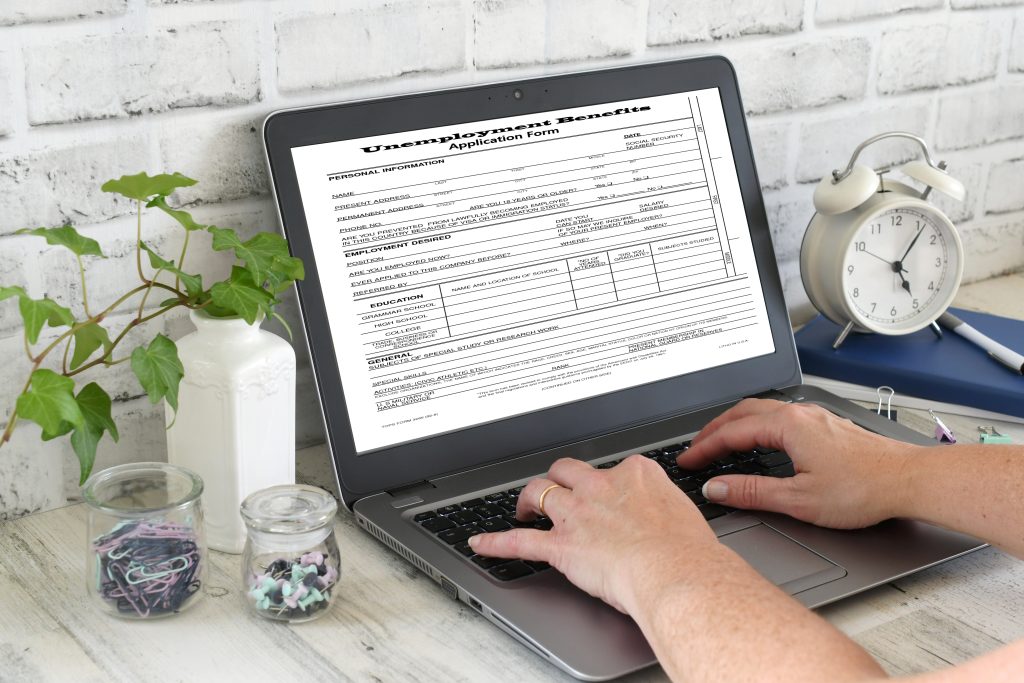
Identity theft: Fraudsters using your business address to impersonate your company or register accounts.
-
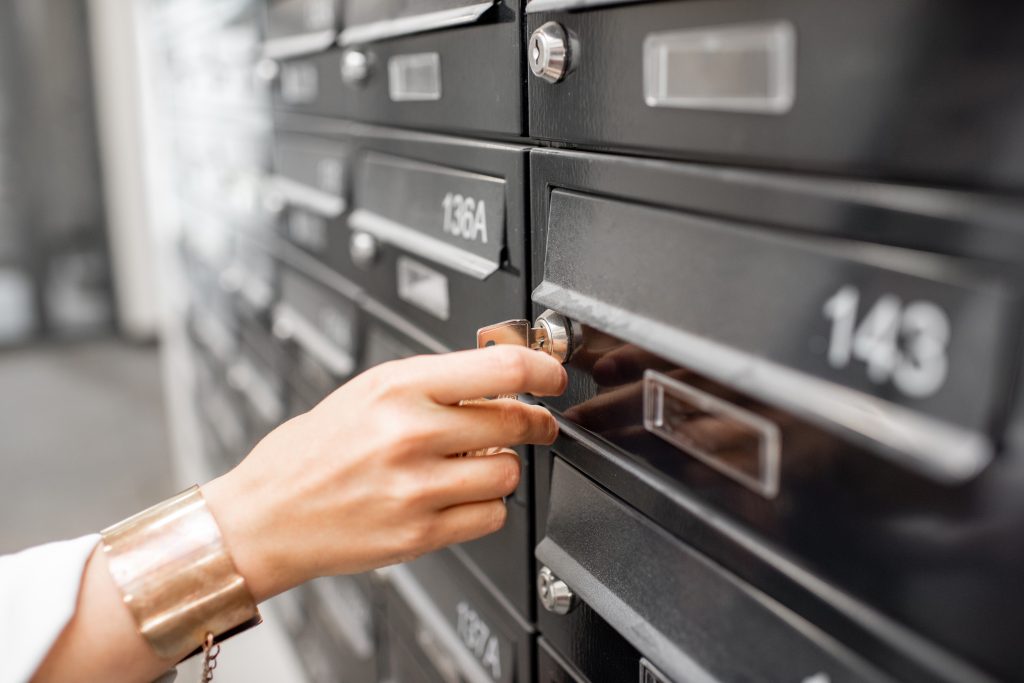
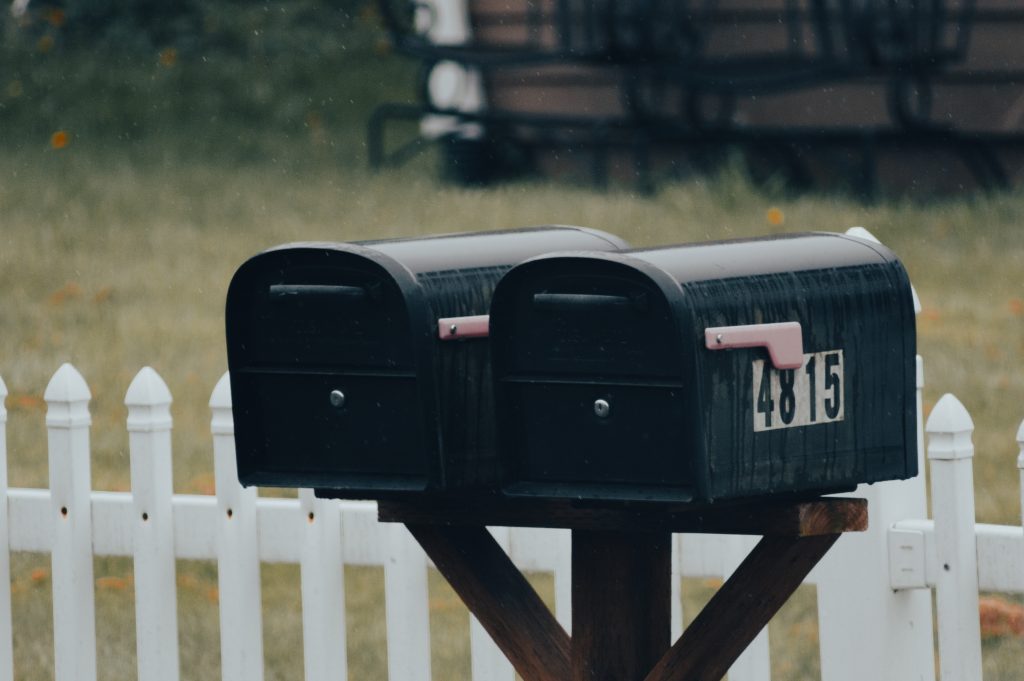
Mail theft: Important documents such as invoices, checks, contracts, or confidential correspondence being stolen from your mailbox.
-
Phishing and scams: Fraudulent individuals intercepting mail to gain sensitive information or financial advantage.
-
Misuse of personal addresses: Small businesses or freelancers who use a home address risk exposure to scammers or unwanted solicitations.
For startups, remote teams, and freelancers, even a single incident can result in financial loss, legal issues, or damage to reputation.
How Virtual Mailboxes Reduce Fraud
Virtual mailboxes provide multiple layers of security to help mitigate these risks:
1. Secure Business Address
A virtual mailbox provides a professional street address separate from your personal or home address. Using this address for registrations, contracts, and client communications keeps your personal information private and reduces the chance that fraudsters can exploit your home address.
2. Controlled Mail Handling
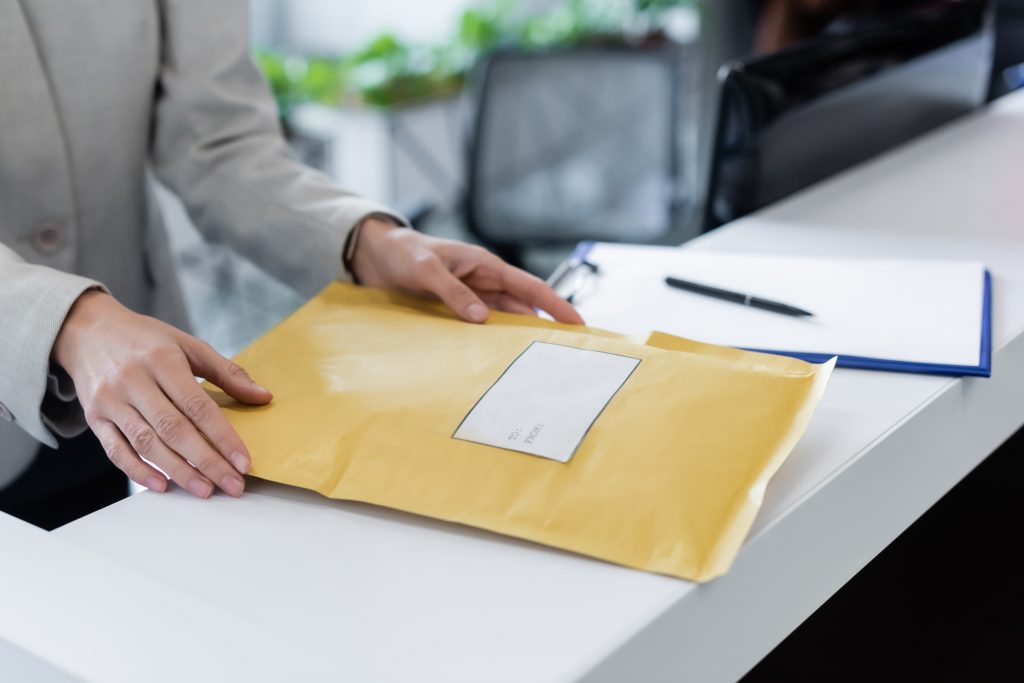
All incoming mail is received at a secure facility. Professional staff follow strict procedures for logging, scanning, and handling each item. This controlled environment ensures that no unauthorized individual can access your mail, minimizing the risk of theft or misuse.
3. Digital Mail Scanning
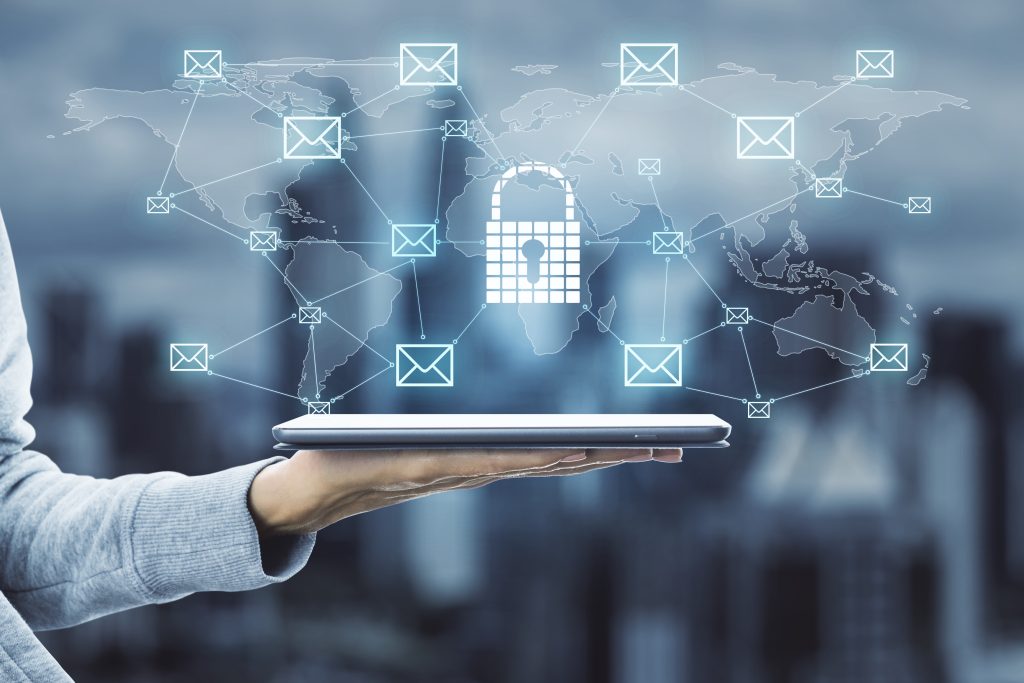
Virtual mailboxes often provide digital scans of mail that are securely uploaded to your account. These digital copies allow you to:
-
View mail without physical handling
-
Forward documents safely to your team or office
-
Access mail remotely without exposing physical addresses
Digital access reduces the risk of mail interception and allows for secure tracking of correspondence.
4. Multi-Factor Authentication (MFA)
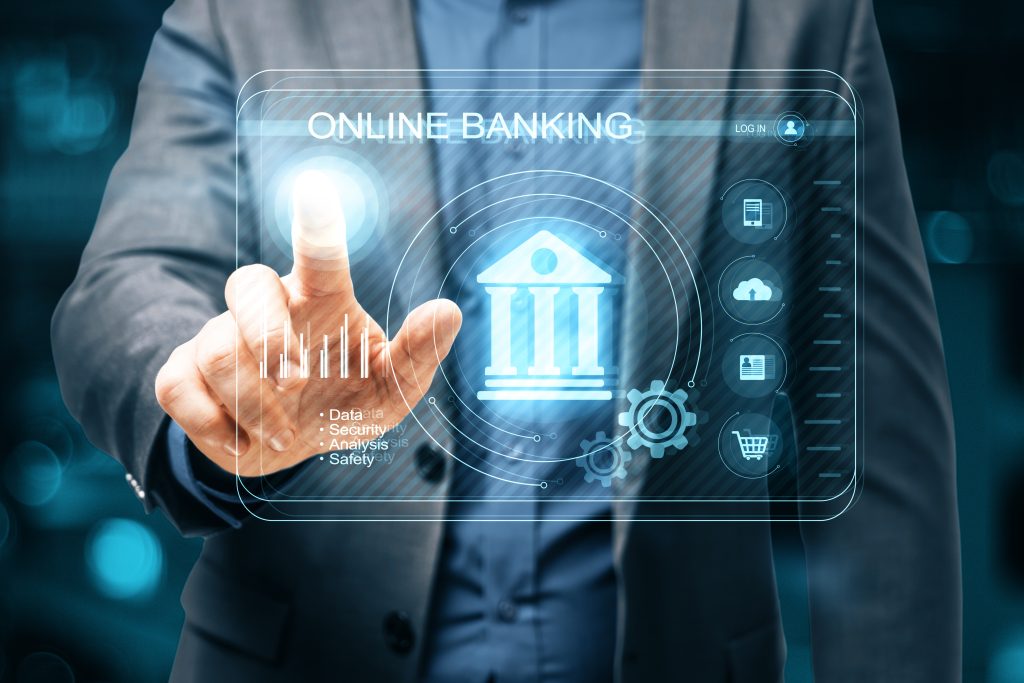
Access to virtual mailbox accounts is protected through login credentials and often multi-factor authentication. MFA requires additional verification, such as a code sent to a phone or email, making it difficult for unauthorized users to access sensitive mail even if passwords are compromised.
5. Audit Trails and Activity Logs
Many virtual mailbox services maintain detailed records of all mail activities, including when items are received, scanned, forwarded, or accessed. These audit trails allow businesses to monitor activity closely, detect unusual patterns, and respond quickly to potential fraud attempts.
6. Identity Verification for Mail Pickup
Some virtual mailbox providers require identification for physical mail pickup. This ensures that only authorized individuals can retrieve sensitive items, further preventing fraud or theft.
Additional Benefits Against Fraud
-
Reduced Exposure to Scams: By keeping your home address private, you avoid unsolicited mail, fake offers, and phishing attempts targeting personal residences.
-
Professional Front for Verification: Using a virtual business address adds credibility when interacting with clients, suppliers, and financial institutions, making it harder for fraudsters to impersonate your business.
-
Compliance and Legal Safety: Many regulated industries require secure handling of documents. Virtual mailboxes meet compliance standards, reducing legal exposure in case of fraudulent activity.
Best Practices for Maximizing Fraud Protection
While virtual mailboxes offer strong security, businesses should also implement internal practices to further reduce risks:
-
Use the Virtual Address Consistently: Apply the virtual address across all registrations, legal documents, and communications.
-
Monitor Your Account Frequently: Check mail notifications, digital scans, and logs regularly to spot unusual activity.
-
Secure Your Login Credentials: Use strong, unique passwords and enable multi-factor authentication.
-
Train Your Team: Educate employees about mail security and the importance of handling sensitive information correctly.
-
Choose a Reputable Provider: Look for providers with robust security protocols, positive reviews, and proven reliability.
Conclusion
Virtual mailboxes are more than just a convenience—they are a vital tool in protecting businesses from fraud. By providing a secure business address, professional mail handling, encrypted digital access, and detailed activity logs, virtual mailboxes reduce the risk of mail theft, identity fraud, and unauthorized access.
For startups, freelancers, and remote teams, a virtual mailbox offers peace of mind, ensuring that sensitive business correspondence is handled securely while maintaining professionalism and compliance.
Investing in a secure virtual mailbox is a proactive step toward fraud prevention, safeguarding both your business operations and reputation in today’s increasingly digital world.