English


























































Using a Virtual Address for Tax and Government Records

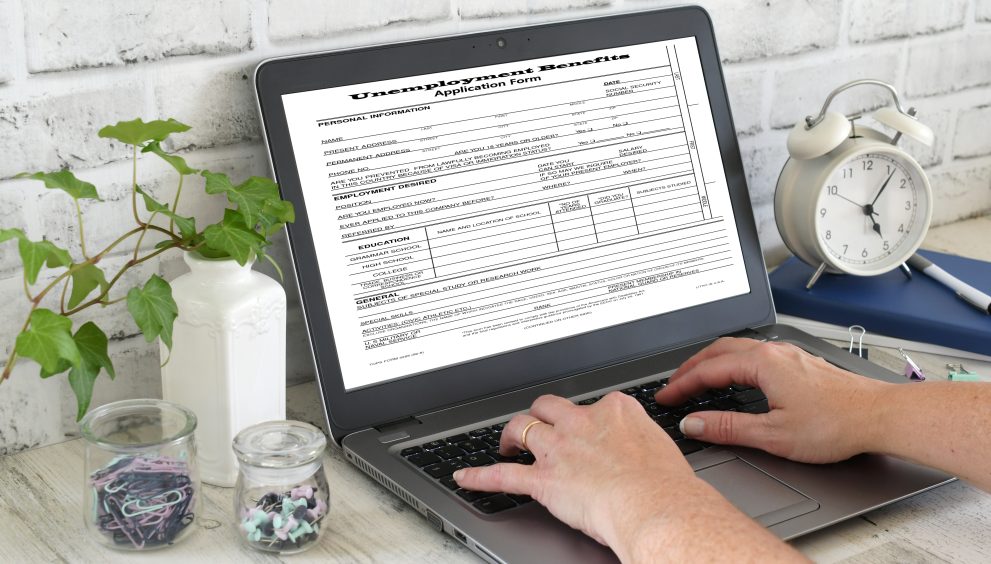
In 2026, virtual offices and virtual addresses have become essential tools for startups, freelancers, and remote businesses. One of the most important uses of a virtual address is for tax registration and government records. A professional address helps maintain compliance, ensures proper correspondence, and provides privacy without requiring a physical office. However, using a virtual address for government purposes requires understanding legal requirements and best practices. In this blog, we’ll explore how businesses can use virtual addresses for tax and government records, their benefits, and what to watch out for.
What Is a Virtual Address?
A virtual address is a professional business address provided by a virtual office service, where official mail, packages, and government correspondence can be received. Key features often include:
-
Mail scanning, forwarding, and storage
-
Digital notifications for incoming correspondence
-
Optional access to meeting rooms or coworking spaces
-
Professional address for registration and licensing
Virtual addresses provide the flexibility and professionalism of a physical office without the overhead costs, making them ideal for businesses that operate remotely.
Using a Virtual Address for Tax Records
Most governments require businesses to have a registered business address for tax purposes. This address is used for:
-
Receiving official correspondence from tax authorities
-
Filing income, sales, and payroll taxes
-
Sending legal notices regarding compliance or audits
A virtual address can serve as your official tax address if it meets government requirements. Generally, authorities require a real street address, not a P.O. box. Using a reputable virtual office provider ensures your address is accepted for federal, state, and local tax records.
Benefits of a Virtual Address for Government Records
-
Professional Credibility
A virtual address, especially in a prestigious commercial area, enhances the credibility of your business with tax authorities and government agencies. -
Privacy Protection
Entrepreneurs can avoid using their home address for public records, keeping personal information private while maintaining compliance. -
Mail Management and Notifications
Virtual offices often provide digital alerts for incoming government mail, ensuring you never miss important tax or legal notices. -
Flexibility for Remote Operations
Businesses can operate anywhere while maintaining a consistent address for government correspondence and records.
Legal Considerations
While virtual addresses are generally accepted, there are important legal considerations:
-
Real Street Address Requirement: Most tax authorities do not accept P.O. boxes; a virtual address with a real street location is required.
-
Consistency with Business Registration: The virtual address should match the address on your business registration documents to avoid discrepancies.
-
Compliance with Jurisdiction Rules: Some states or countries may have specific rules regarding using virtual addresses for government filings or official notices.
-
Registered Agent Requirements: Certain jurisdictions require a registered agent for legal correspondence; some virtual office providers can serve this function.
Tips for Using a Virtual Address With Tax and Government Records
-
Choose a Reputable Provider
Ensure the virtual office provides a legitimate street address, secure mail handling, and the ability to receive official government correspondence. -
Maintain Accurate Records
Keep logs of all scanned, forwarded, or stored mail to support tax filings and audits. -
Notify Tax Authorities
Inform your local, state, and federal tax authorities of your virtual address when registering or updating your business information. -
Verify Local Regulations
Each jurisdiction may have unique rules about virtual addresses. Check requirements to ensure full compliance. -
Plan for Physical Mail Forwarding
If urgent documents arrive from tax authorities, ensure your virtual office provider can forward them promptly to your location.
Common Use Cases
-
Startups and Freelancers: Keep personal addresses private while maintaining a professional and legally recognized business address.
-
Remote Businesses: Receive all government correspondence at a centralized location, regardless of where team members are located.
-
Growing Businesses: Expand to new states or countries without establishing a physical office while remaining compliant with local tax rules.
Conclusion
A virtual address is a valuable tool for managing tax and government records in 2026. It allows businesses to maintain a professional presence, protect personal privacy, and receive official correspondence securely and efficiently.
However, legal compliance is essential. Businesses must ensure the virtual address is a real street address, aligns with business registration documents, and meets local jurisdiction requirements. Using a reputable virtual office provider with reliable mail handling services ensures that all tax and government correspondence is received, tracked, and managed properly.
For remote teams, startups, and freelancers, a virtual address is not just a convenience—it’s a strategic tool that supports compliance, professionalism, and operational efficiency while simplifying interactions with tax authorities and government agencies.