English



























































Do Banks Accept Virtual Office Addresses?
-
Admin_Virtual / 4 years
- June 20, 2022
- 0
- 4 min read


In 2026, virtual offices have become a mainstream solution for startups, freelancers, and remote businesses. They provide a professional business address, mail handling services, and flexibility without the need for a physical office. However, a common question that arises is: “Do banks accept virtual office addresses?” The answer is yes, in most cases, but there are important considerations. In this blog, we’ll explore how banks view virtual addresses, what requirements you need to meet, and tips for using a virtual office address for banking purposes.
Understanding Virtual Office Addresses
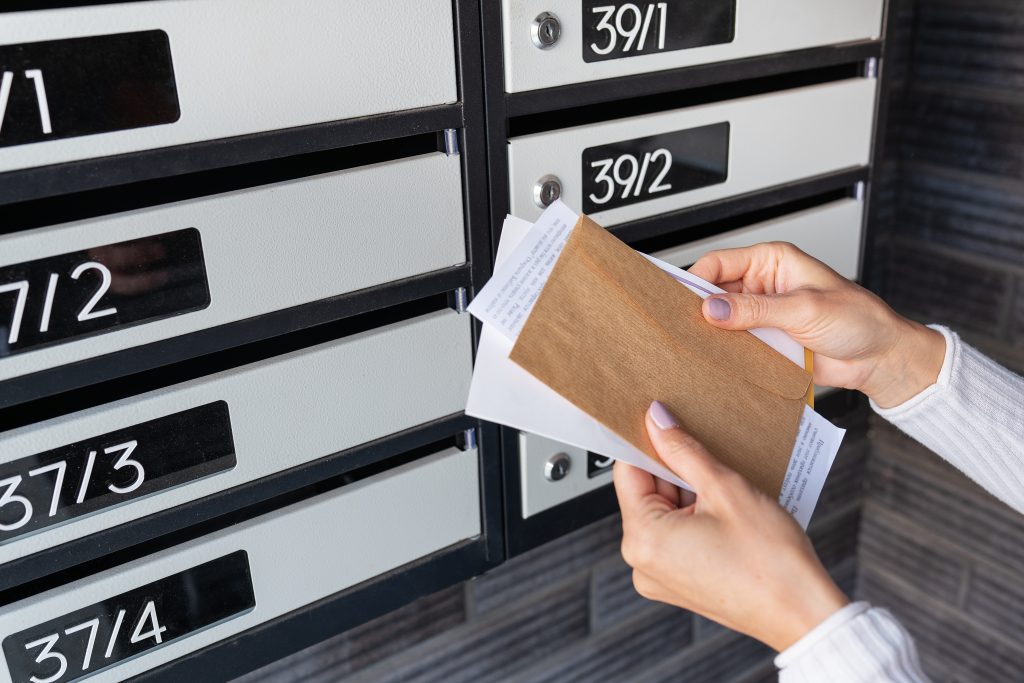
A virtual office address is a professional business address provided by a service provider where mail, packages, and official correspondence are received on behalf of a business. These addresses are usually located in commercial areas or prestigious business districts. Features of virtual office addresses often include:
-
Mail scanning, forwarding, and storage
-
Digital notifications for incoming mail
-
Optional meeting rooms or coworking spaces
-
Phone and receptionist services
While virtual addresses provide credibility and professionalism, their acceptance by banks depends on compliance with regulations and the legitimacy of the provider.
Banks and Address Verification
Banks are legally required to verify the business address when opening accounts. This is part of anti-money laundering (AML) and Know Your Customer (KYC) regulations. Banks need to ensure that businesses:
-
Are legitimate legal entities
-
Can receive official correspondence
-
Are operating in compliance with local laws
A virtual office address can meet these requirements if it is a real street address provided by a reputable provider. P.O. boxes or mailing-only addresses are usually not accepted for bank accounts.
Factors Banks Consider for Virtual Addresses
-
Legitimacy of the Address
Banks prefer addresses that are in recognized commercial areas and provided by established virtual office services. The provider should be able to handle legal correspondence on your behalf. -
Business Registration Consistency
The address you provide to the bank should match the official business registration documents. Inconsistencies may lead to account rejection. -
Type of Business
Some banks are more cautious with high-risk industries (e.g., finance, cannabis, cryptocurrency). In these cases, additional documentation may be required, and a virtual office address alone may not suffice. -
Proof of Access
Some banks may ask for proof that you can receive mail at the virtual office address, such as mail notifications, invoices, or a letter from the provider.
Benefits of Using a Virtual Office Address for Banking
-
Professional Appearance
A virtual office address enhances your business credibility, especially for small businesses and startups. -
Privacy Protection
Using a virtual address keeps your personal home address off banking and public records, reducing privacy risks. -
Consistency Across Operations
A virtual address can be used for registration, licensing, banking, and official correspondence, creating a consistent business identity. -
Flexibility for Remote Businesses
Businesses that operate remotely or in multiple locations can maintain a single professional address for banking and legal purposes.
Tips for Using a Virtual Office Address With Banks
-
Choose a Reputable Provider: Ensure the provider offers a real street address and can handle legal and official mail.
-
Match Registration Documents: Use the same address as on business registration forms to avoid discrepancies.
-
Prepare Supporting Documents: Be ready to provide proof of mail access or a letter from the provider if requested by the bank.
-
Check Bank Policies: Different banks have different policies regarding virtual office addresses, so confirm acceptance before applying.
-
Consider Physical Visits If Required: Some banks may request occasional in-person verification, even for virtual businesses.
Conclusion
Yes, banks generally accept virtual office addresses, provided the address is legitimate, a real street address, and matches the business registration documents. Virtual office addresses are especially beneficial for startups, remote teams, and freelancers who want to maintain professionalism, privacy, and operational flexibility.
However, acceptance varies by bank and jurisdiction, so it’s important to choose a reputable provider, verify local regulations, and prepare supporting documentation. By doing so, businesses can enjoy the convenience of a virtual office while meeting all banking and legal requirements.
In 2026, a virtual office address is not just a tool for mail and registration—it is also a strategic asset for banking, credibility, and operational efficiency, allowing businesses to operate confidently without a traditional office space.